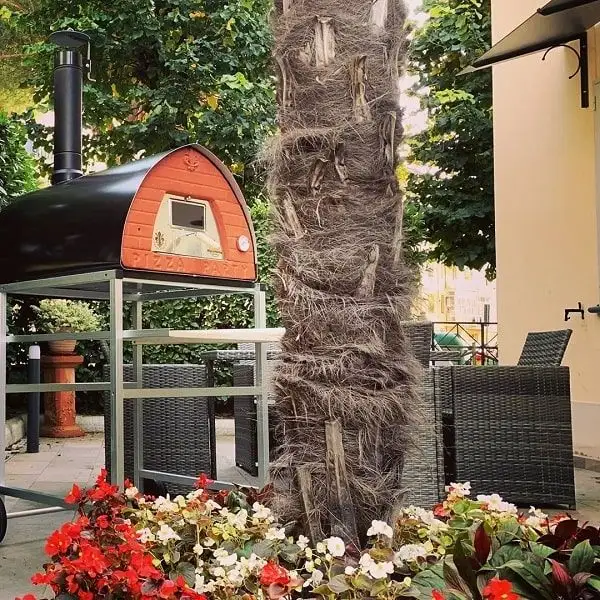
One of the most amazing things about wood fired pizza ovens is how fast they cook. If you're used to waiting 10-15 minutes for your kitchen oven to finish a pizza, you're in for a serious upgrade.
But exactly how long does it take? And does every pizza cook in the same amount of time?
Not quite. The timing depends on a few factors — temperature, pizza style, thickness, and toppings. Let's go through all of it.
The Quick Answer
At peak temperature (800-900°F), a standard Neapolitan-style pizza cooks in 60 to 90 seconds.
That's not an exaggeration. One minute to ninety seconds, and it's done.
But that's at peak temp with a thin-crust pizza. Other styles and situations take longer. And if you're making something besides pizza, check out what else you can cook in a wood fired oven.
Cooking Times by Pizza Style
Neapolitan Pizza
- Temperature: 800-900°F floor, 900-1,000°F dome
- Cook time: 60-90 seconds
- Characteristics: Very thin base, minimal toppings, soft and foldable
This is the classic wood fired pizza. The dough is stretched thin, topped lightly (mozzarella, San Marzano tomatoes, basil, olive oil), and slides onto the screaming-hot oven floor. At these temperatures, the bottom crisps in about 30 seconds, and the top finishes in another 30-60 seconds.
You need to rotate the pizza once, about halfway through, because the side facing the fire cooks faster.
New York-Style Pizza
- Temperature: 600-700°F
- Cook time: 3-5 minutes
- Characteristics: Thin but slightly thicker than Neapolitan, crispier base, more toppings
New York-style pizza has a slightly thicker crust and usually more cheese and toppings. It needs a little more time and a slightly lower temperature. Too hot and the outside burns before the thicker dough cooks through.
Detroit / Sicilian Style (Thick Crust)
- Temperature: 500-600°F
- Cook time: 8-12 minutes
- Characteristics: Thick, focaccia-like dough, heavy toppings, cooked in a pan
These thick-crust pizzas need lower temperatures and more time. Cook them in an oiled pan (a cast iron skillet works great). The dough needs time to cook all the way through without the top burning.
Flatbreads and Pita
- Temperature: 700-800°F
- Cook time: 2-3 minutes
- Characteristics: Very thin, minimal toppings or plain
Flatbreads are similar to pizza but often thinner and plainer. They cook quickly but need careful watching — the thin dough can go from perfect to burnt in seconds.
Factors That Affect Cooking Time
1. Oven Temperature
This is the biggest variable. Here's a rough guide:
| Floor Temperature | Approximate Cook Time | |---|---| | 900°F+ | 45-60 seconds | | 800-900°F | 60-90 seconds | | 700-800°F | 90 seconds - 3 minutes | | 600-700°F | 3-5 minutes | | 500-600°F | 5-8 minutes | | Below 500°F | 8-15 minutes |
The hotter the oven, the faster the cook. Simple as that.
2. Dough Thickness
Thin dough cooks faster. Thick dough needs more time and lower heat. If you try cooking a thick-crust pizza at 900°F, the outside will burn while the inside is still raw dough.
Rule of thumb: The thicker your dough, the lower your temperature should be.
3. Moisture in Toppings
Wet toppings (fresh mozzarella, fresh tomatoes, mushrooms) release moisture during cooking, which can make the center of your pizza soggy and slow down cooking.
Tips for dealing with wet toppings:
- Drain fresh mozzarella for at least 30 minutes before using
- Pre-cook mushrooms to remove moisture
- Use fewer toppings — less is more in a wood fired oven
- Don't over-sauce — a thin layer is all you need
4. Number of Toppings
A heavily loaded pizza takes longer to cook than a lightly topped one. The weight of the toppings insulates the top of the dough and slows heat penetration.
Authentic Neapolitan pizza has minimal toppings for a reason — it's not just about tradition, it's about physics.
5. Cold Dough vs Room Temperature Dough
If you pull your dough straight from the fridge and stretch it, it'll take longer to cook because the cold dough absorbs heat from the oven floor, cooling it down.
Always let your dough come to room temperature (at least 1-2 hours out of the fridge) before cooking. The warmer dough cooks faster and more evenly.
6. Oven Recovery Time
After each pizza, the oven floor temperature drops slightly because the pizza absorbed some heat. If you're cooking multiple pizzas in a row, you might notice the second or third one takes a bit longer.
Give the floor 2-3 minutes between pizzas to recover its temperature. Or add a small piece of wood to the fire to boost the heat.
The Step-by-Step Timing
Here's a typical cooking timeline for a Neapolitan pizza at 850°F:
- 0:00 — Slide pizza onto the hot floor
- 0:15 — Bottom starts to set, dough begins puffing at the edges
- 0:30 — Crust is rising, bottom is getting color. Check the underside by lifting with a peel
- 0:45 — Rotate the pizza 180° so the back side faces the fire
- 1:00 — Cheese is melting and starting to bubble
- 1:15 — Top is finishing, cheese has brown spots, crust has leopard spotting
- 1:20-1:30 — Pull the pizza out. It's done!
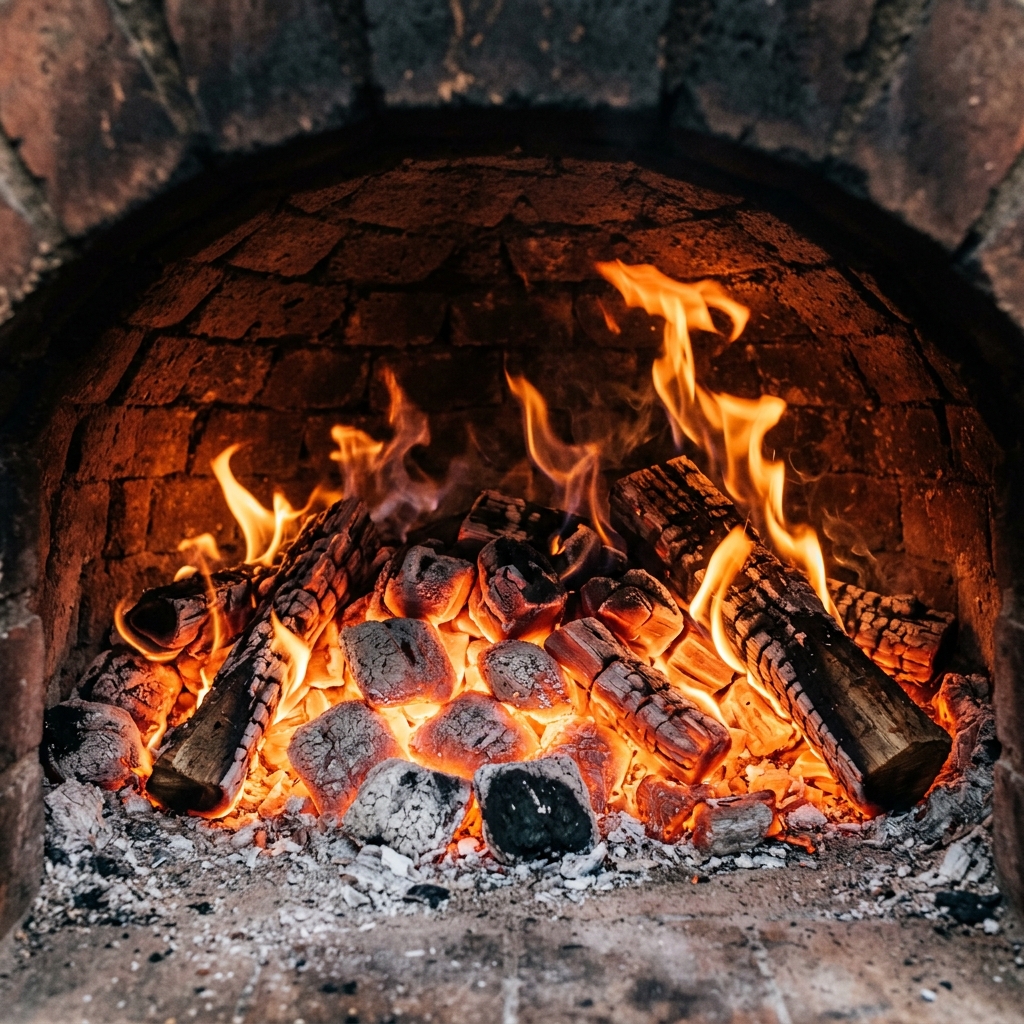
The whole thing happens incredibly fast. If it's your first time, don't look away for even a few seconds. That's because wood fired ovens are incredibly hot (often reaching over 900°F), and that extreme heat is the secret to the perfect pizza.
Signs Your Pizza Is Done
How do you know when to pull it out? Look for these signs:
- Crust: Puffed, golden brown with dark charred spots. Not black all over — that's burned.
- Bottom: Lift the pizza with a peel and check. It should be dark brown with some char spots, firm to the touch, not floppy.
- Cheese: Melted, bubbly, with scattered brown blisters. If the cheese is fully browned and dry, you waited too long.
- Sauce: Bubbling slightly but still vibrant red/orange. Not dried out or darkened.
Common Timing Mistakes
Cooking Too Long
The most common beginner mistake. If your pizza has been in for more than 2 minutes at 800°F+, it's probably overdone. Don't be afraid to pull it out early — the residual heat will continue cooking it for a few seconds after it comes out.
Not Rotating
The side facing the fire gets much more heat. If you don't rotate at least once, you'll end up with one side perfectly charred and the other side pale and undercooked.
Putting the Pizza Too Close to the Fire
If your pizza is right next to the flame, the side facing the fire will burn in seconds. Give it at least 4-6 inches of space from the nearest flame.
Closing the Door
Some people close the oven door during cooking. For pizza, this is usually unnecessary and can cause problems — it traps steam and prevents the top from getting proper direct heat from the flames. Leave the door off for pizza.
The Bottom Line
Wood fired pizza cooks incredibly fast — typically 60-90 seconds at peak temperature. The key factors are oven temperature, dough thickness, topping load, and knowing when to rotate.
Start with simple pizzas (Margherita is perfect) to learn your oven's behavior, and work your way up to more complex pies. After a few sessions, you'll develop an instinct for timing that becomes second nature.
The first few might not be perfect, and that's totally fine. Even a "bad" wood fired pizza is usually better than a great delivery pizza. Just keep practicing.
If you are looking for other food nutrition information, check out Panda Express Nutrition Facts.
Comments (0)
No comments yet. Be the first to start the conversation!