This is one of the most common questions we get: "Can I use charcoal in my wood fired pizza oven?"
The short answer is yes, you can. But before you dump a bag of Kingsford into your oven, there are some important things you need to understand about how charcoal works differently from wood, and when it makes sense to use it.
Let's break it all down.
Yes, Charcoal Works — But It's Different
Charcoal and wood are both carbon-based fuels that burn hot. But they behave very differently inside a pizza oven.
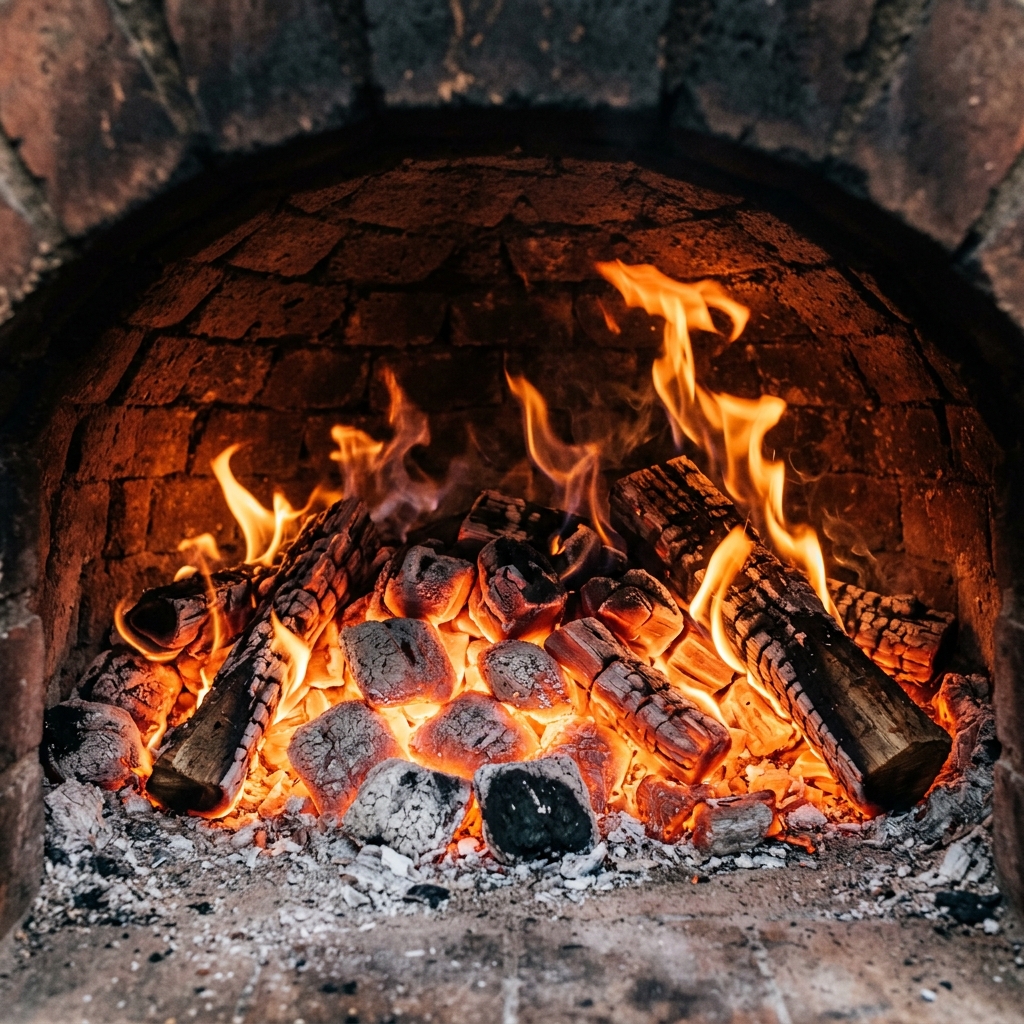
Wood burns with visible flames. Those flames are important because they provide radiant heat from above — the heat that cooks the top of your pizza and melts the cheese. Wood also produces smoke, which gives your food that signature wood fired flavor.
Charcoal burns hotter and longer than wood, but with very little flame. It mostly produces glowing embers and radiant heat from below. There's minimal smoke and almost no visible fire.
This difference matters a lot when you're cooking pizza.
The Problem with Charcoal Alone
If you only use charcoal in a wood fired oven, you'll run into a specific issue: the top of your pizza won't cook properly.
Here's why. A wood fired pizza oven relies on flames licking across the dome to heat the top surface. The dome absorbs that heat and radiates it down onto your pizza. Without flames, the dome stays cooler, and you end up with a well-cooked bottom but undercooked toppings.
You'll get a crust that's charred or burnt on the bottom before the cheese is fully melted on top. Not ideal.
So if you're planning to use charcoal, don't use it by itself for pizza. Use it alongside wood.
The Best Approach: Charcoal + Wood Together
The smartest way to use charcoal in a wood fired oven is as a supplement to wood, not a replacement.
Here's a method that works really well:
- Start with charcoal as your base. Build a bed of charcoal and light it. Charcoal provides consistent, long-lasting heat that's great for getting the oven floor hot.
- Add wood on top. Once the charcoal is glowing, add a couple of pieces of hardwood on top. The wood catches fire quickly from the charcoal heat and provides the flames you need.
- Maintain with small wood pieces. Keep adding small pieces of wood every 10-15 minutes to keep the flames going while the charcoal base provides steady, even heat.
This combo gives you the best of both worlds — the steady heat of charcoal and the flames and flavor of wood.
When Charcoal Makes Sense
There are a few situations where charcoal is genuinely useful in a wood fired oven:
1. Getting the Oven Started
Charcoal lights more easily and consistently than wood, especially if you're using a chimney starter. Starting with charcoal and then adding wood once it's going can save you time and frustration, particularly on windy days.
2. Maintaining Temperature for Longer Cooks
If you're doing a long cooking session — say you're roasting a whole chicken or slow-cooking ribs — charcoal helps maintain a steady temperature for hours without needing constant attention. Wood burns faster and requires more frequent feeding.
3. Cooking at Lower Temperatures
For baking bread, roasting vegetables, or slow-cooking meats at 350-500°F, charcoal provides a nice, steady heat without the intensity of a full wood fire. You get consistent temperatures without babysitting the flames.
4. When Wood is Hard to Source
If you live in an area where quality hardwood is expensive or hard to find, supplementing with charcoal can stretch your wood supply further.
Types of Charcoal: Which to Use
Not all charcoal is created equal. Here's what you need to know:
Lump Charcoal (Recommended)
Lump charcoal is made from real wood that's been burned down to carbon. It's natural, burns hot, produces minimal ash, and doesn't contain the chemical additives found in briquettes.
This is the only type of charcoal you should use in a pizza oven.
It lights faster, burns hotter, and doesn't impart any off-flavors to your food. Plus, the irregular shapes allow for good airflow.
Charcoal Briquettes (Not Recommended)
Standard briquettes (like Kingsford) contain binding agents, fillers, and sometimes lighter fluid. When they burn, they can produce chemical smells and flavors that you definitely don't want on your pizza.
If you absolutely must use briquettes, go for the "natural" or "hardwood" varieties that don't contain additives. But honestly, just use lump charcoal instead.
Activated Charcoal (Definitely Not)
This should go without saying, but don't use activated charcoal for cooking fuel. It's a completely different product meant for filtering, not burning.
Safety Considerations
A few important safety notes when using charcoal:
- Ventilation: Charcoal produces carbon monoxide when burning. Always use it in a well-ventilated outdoor oven. Never use charcoal in an indoor oven or enclosed space.
- Temperature control: Charcoal can burn very hot. (Curious about exact numbers? See how hot wood fired pizza ovens get). Keep an infrared thermometer handy so your oven floor doesn't get too hot (which will burn your pizza before it's cooked through).
- Ash management: Charcoal produces ash, though less than wood. Sweep the cooking floor before placing food.
- Don't use lighter fluid: Use a chimney starter or natural fire starters instead. Lighter fluid leaves residue that affects flavor.
What About Charcoal-Only Cooking?
While charcoal alone isn't ideal for pizza (because of the flame issue), it works great for other types of cooking in your wood fired oven:
- Grilling steaks on a grate over hot charcoal
- Roasting vegetables in a cast iron pan
- Slow cooking meats wrapped in foil
- Baking at moderate temperatures
For these applications, the lack of flame isn't a problem because you're not relying on dome heat to cook the top of a pizza.
The Bottom Line
Can you use charcoal in a wood fired pizza oven? Absolutely. Should you use it as your only fuel for pizza? No — you'll miss the flames needed to cook the top properly.
The best approach is to combine charcoal with wood. Use charcoal for a steady heat base and wood for flames and flavor. This gives you consistent temperatures, easier fire management, and still delivers that authentic wood fired taste.
And always use lump charcoal, never briquettes. Your pizza (and your taste buds) will thank you.
Comments (0)
No comments yet. Be the first to start the conversation!